

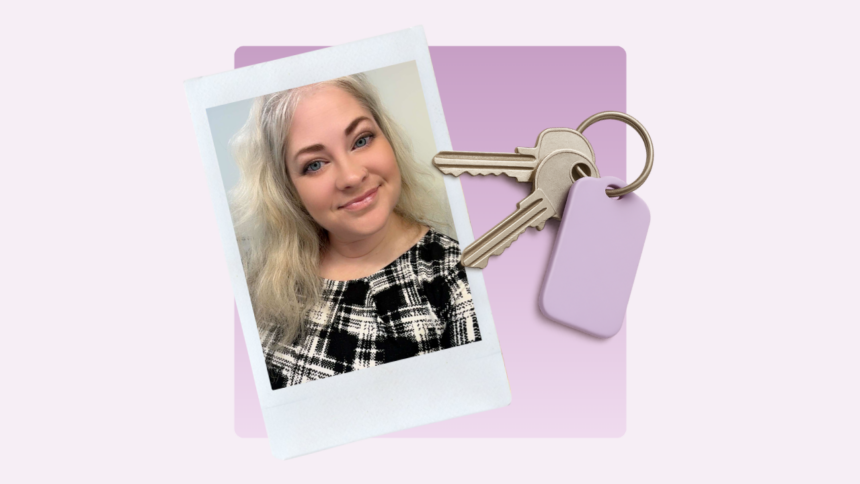
A few years ago, 44-year-old Chandra Hawkins was unemployed and living in her car. After 15 years of marriage, she became a single mother with nothing. In a custody battle with the father of her three sons, she drowned in legal fees. She was unable to keep up with her credit card payments. Her credit score plummeted.
But what she really wanted, she says, was “a home that was mine and in my name, where my boys could come home.”
In 2022, she sought help from Money Management International (MMI), a credit counseling nonprofit. Today, she has paid off $10,000 in debt, improved her credit score by nearly 100 points, and recently purchased a new home in Missouri.
Setting the stage for home buying
Credit and home ownership are closely correlated. When applying for a mortgage, your credit score will affect your chances of being approved. It also helps determine interest rates. Even just a few percentage points can cost you thousands of dollars over the life of your loan. We found that moving your bank rate from fair credit to very good credit could save you about $54,000 in the long run.
How to improve your credit depends on why you have bad credit in the first place, says Mara Puckett, a Hawkins credit counselor at MMI. Some clients have high credit utilization rates. Some people are unable to pay their bills on time.
“If someone has a low score due to high utilization, the key is to eliminate that debt as soon as possible,” she says. She recommends creating a debt management plan with MMI or using the snowball or avalanche repayment method on your own.
“Really the most important thing is to reduce overhead,” Paquette continues.
Behind the scenes of her home buying experience
Hawkins moved out of her car and into a sublet because her credit score didn’t allow her to get a rental agreement. But she had her sights set on homeownership.
I talked to a credit counselor who told me that buying a home would be a marathon, not a sprint. The first step was to start paying off debt on time. By February 2025, Hawkins was debt-free and had rebuilt a good credit score.
It’s finally time to consider your mortgage pre-approval options. “Many people don’t want to go through the pre-approval process for fear of finding out where the chips have fallen,” Hawkins says. “But you need to know your numbers so you can pay off your debt or know what you can buy.”
She remarried in 2023 and her husband was a real estate agent. Through his network, he found a lender who could guide him through a USDA loan. That meant moving outside of the city radius, but with a low mortgage rate of 6.2%.
Still, the housing market was competitive and they didn’t have the funds to compete with cash buyers. Hawkins wanted an older home with many rooms and a traditional floor plan. They soon realized that their purchasing power would not allow them to realize that dream.
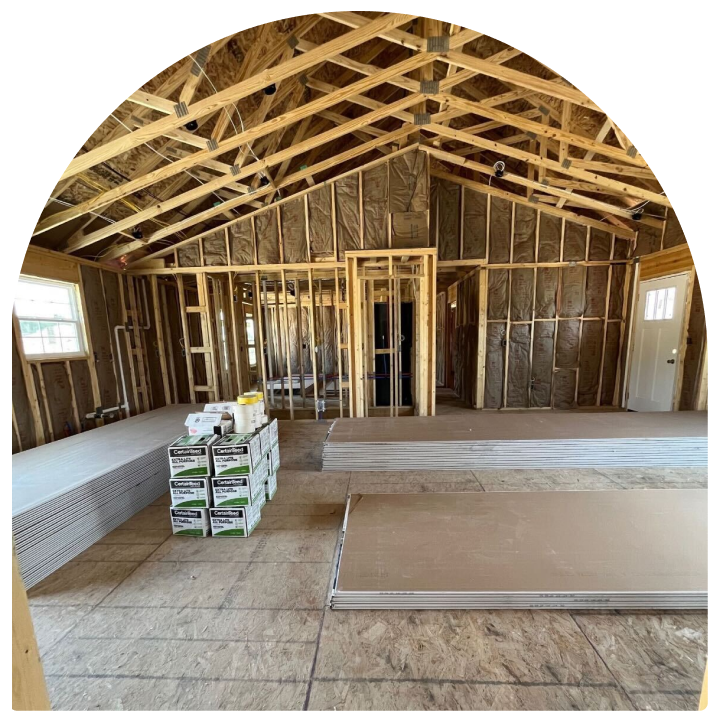
But in the end, Hawkins decided, “We need a home.” “I want a place where my family can come.” So they opted for a new build and moved in September 2025.
It will be difficult to pay off the mortgage on time.
— Marla Puckett
certified credit counselor
her dream of home ownership
Hawkins has come to appreciate not having to worry about the upkeep and maintenance of a new building. She also wants to debunk the myth that building houses is for the rich. Rather than competing with other buyers for existing homes, “it may be much more viable for you to build,” she says.
Her husband joins the family as a first-generation homeowner, and the couple lives nearby with several of his cousins. Their home has a revolving door for barbecues, sleepovers, and craft nights.
Her adult sons also have a place to go for the holidays. “It was just a source of joy in a world that felt so uncertain,” Hawkins said.