



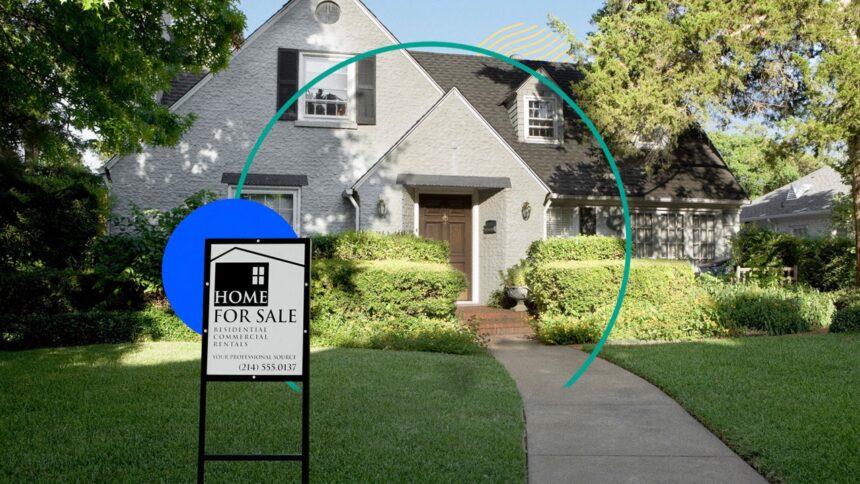
The pandemic has accelerated the housing boom. The housing boom has been characterized by record low mortgage rates, bidding wars, inventory shortages and soaring prices. Unfortunately for buyers, both home prices and mortgage rates remain high, although that situation has largely disappeared thanks to skyrocketing inflation and interest rates.
Although the inventory of homes for sale has increased significantly, sellers still have the advantage in many areas. And while no one is predicting a dramatic collapse in the housing market, many experts now see the market moving toward more equilibrium, which will benefit buyers.
No matter what the economic conditions are in the real estate market, buying a home can be an exciting and emotional process. Before you start your home search, be sure to understand the ins and outs of home buying so you can make the best decision for your family and your wallet. Here’s a step-by-step guide to what you need to know about buying a home in 2025.
Buying a home: a step-by-step guide
1. Decide why you want to buy
Buying a home is a big decision and one that shouldn’t be taken lightly. If you aren’t clear on what you want from homeownership, you may end up regretting your purchase.
Let’s get started: Define your personal and financial goals. “Buyers should think about what they want in a home, including amenities, an ideal location, and how long it will take them to save up for a down payment,” says Edwens Georges, a real estate agent with eXp Realty in New Jersey. “These are all important for defining the goals you want to achieve.”
2. Check your credit score
Your credit score will help determine your financing options. The lender uses it (among other factors) to set the loan terms and interest rate. The higher the score, the better. The lower your credit score, the more expensive your mortgage will be.
Let’s get started: Get your credit report and score once a year for free from the three major credit bureaus: Equifax, Experian, and TransUnion. If you find any discrepancies, please contact the respective institution to report the error.
3. Save for a down payment
To avoid paying private mortgage insurance (PMI), you must make a down payment of at least 20% of the home purchase price. Some lenders offer home loans with no PMI and lower down payments, but you can expect to pay a higher interest rate. And please look into it. Many types of loans require much lower minimum down payments. There are also many government programs that cover down payment costs for qualified buyers. Shop carefully based on what you can afford upfront.
Let’s get started: Find out the requirements for your desired loan to know exactly how much you need to save. If a friend, relative, or employer offers a gift as a down payment, start the conversation early to find out how much they’re willing to contribute, what shortfalls they’ll need to cover, and secure a gift letter well in advance.
4. Create a housing budget
The purchase price and down payment amount alone don’t give you a complete picture of what you need to know when buying a home. Setting a realistic budget for your new home will help you know how much you can afford and what the total cost will be.
Let’s get started: Carefully consider other costs to determine how much you can afford in the long run. “Buyers often forget to factor in other costs, such as homeowners association fees and maintenance,” says Paige Krueger, a Jacksonville Beach, Fla., real estate agent and founder of Signal Real Estate. “Just because you can afford the mortgage and down payment doesn’t mean you can afford the long-term costs once you move in.”
5. Buy a mortgage
Getting pre-approved for a mortgage gives you a clearer idea of how much you can afford and shows sellers that you are financially eligible. Once you’re ready to apply for formal approval, you’re not obligated to stick with the same lender that issued your pre-approval. Compare the terms and interest rates offered by multiple companies.
Let’s get started: Consider at least three lenders or mortgage brokers to increase your chances of getting a low interest rate.
6. Hire a local real estate agent
An experienced agent can help you find the right home and negotiate with sellers on your behalf, saving you time and money. Agents are qualified professionals who know the market well and can guide you through the home buying process.
Let’s get started: Contact several local agencies, discuss your needs, and then make your selection. “A knowledgeable person in the field can help you determine whether your budget is realistic based on the features you want in your home,” Krueger says. “We can also point you to adjacent areas in your desired neighborhood and other considerations to help you find a home.”
7. Go house hunting
Viewing listings online is convenient, but it’s no substitute for actually visiting a home to learn about the area and its amenities. In some cases, the right neighborhood may be more important than the home itself.
Let’s get started: Be specific with your agent about what you want so they can more effectively find options that meet your criteria. And keep an open mind. You may not be able to check everything off your wish list, so prioritize essentials over nice-to-have items that aren’t important.
8. Make an offer
Understanding how to make a strong offer on a home increases the chances that it will be accepted. Talk to a real estate agent and ask for their expertise.
Let’s get started: Once the “best offer” is found, your agent will help you prepare a complete offer package, including the offer price, pre-approval letter, proof of down payment funds (this is helpful in a competitive market), and any conditions or contingencies.
9. Get a home inspection
A home inspection will give you a complete picture of the property’s condition and any mechanical or structural issues. If you find a major problem, you may need to contact the seller for repairs. And if the contract includes an unforeseen inspection, you may even decide to back out of the contract.
Let’s get started: Your agent will likely be able to recommend a home inspector, but do your homework before choosing one. Depending on the contract and state, the inspection typically must be completed within 10 to 14 days after signing the purchase contract.
10. Negotiating repairs and credits
Especially if it’s an older home, an inspection may uncover some problems. Major issues may need to be addressed before the mortgage lender can close on the loan, and it’s common for the seller to either pay for the repairs or negotiate for the buyer to provide credit to cover the costs.
Let’s get started: Please ask your agent for help with this. It’s not uncommon for repairs to be needed, but negotiation can be a delicate task and is best left to the professionals. They will work with the seller’s agent to reach an agreement.
11. Secure funding
Pre-approval is different from formal approval. Getting final approval for a loan means your finances and credit need to be matched during the underwriting process. Don’t open a new line of credit or make any major purchases until you sign the paperwork. Also, if possible, avoid changing jobs before closing the loan line.
Let’s get started: Respond promptly to any requests or questions from your lender to avoid delays, and double-check your loan estimate to ensure all details are correct. Your lender may need to provide additional documentation to complete the process, so make sure you have all your documents in order.
12. Perform the final walkthrough
The final walkthrough is your opportunity to view the property one last time before the transaction is finalized. This is your last chance to address any outstanding issues before the home becomes yours and your responsibility.
Let’s get started: Your agent will schedule a walk-through just before closing. Bring your home inspection checklist and other documents, such as repair bills and receipts, to ensure everything is done as agreed and the home is ready.
13. Closer to your home
Once all conditions have been met, you’re happy with the final walkthrough, and your lender has declared your loan “clear to close,” it’s time to officially close your loan. Once you sign all the documents at the closing table, the house is officially yours and you’ll receive the keys. Congratulations!
Let’s get started: Three business days before the closing date, your lender will provide you with a closing disclosure that outlines the details of your loan, including the exact amount you need to close. At this time, you will wire the closing costs and down payment according to the escrow company’s procedures. Your representative will also be present, and possibly the closing agent, such as the seller and his or her agent, a representative of the escrow or title company, or a real estate attorney.
Other considerations
- When is the best time to buy? Currently, rising mortgage rates and skyrocketing home prices have many people wondering whether they should try to buy a home now or wait until things calm down. Traditionally, spring marks the beginning of home buying season, with many properties hitting the market and activity peaking in late spring and early summer. However, timing the market can be dangerous, especially when things are as volatile as they have been recently, and your own financial preparedness is more important than the timing. If you are financially stable, have enough savings to cover your down payment and other costs, have stable employment and income, and are ready to live in one place for a while, now is the perfect time to buy a home. You can always refinance if interest rates drop significantly.
- What is your local market like? The area in which you’re looking for a home has a big impact on what homebuyers should be prepared for. Each market has unique characteristics to consider. For example, taxes, cost of living, job market, and housing conditions in California create different purchasing conditions than in Texas or Ohio. Also, real estate is very localized, even within the same city. You may be surprised to find that market conditions can vary greatly depending on your neighborhood. This is why it’s important to partner with a knowledgeable local agent who understands the intricacies of the market.
- How prepared are you for additional costs? In addition to the down payment, there are many other costs involved in purchasing a home, including closing costs. These fees vary by state and individual transaction, but will almost certainly be in the range of several thousand dollars. When budgeting your monthly housing costs, take into account not only the principal and interest of your mortgage payment, but also property taxes, home insurance, homeowners association fees (if applicable), and, if your down payment is less than 20%, private mortgage insurance. Also, don’t forget to set aside money for ongoing maintenance and unexpected repairs.
FAQ
With additional reporting by Megan Hunt