



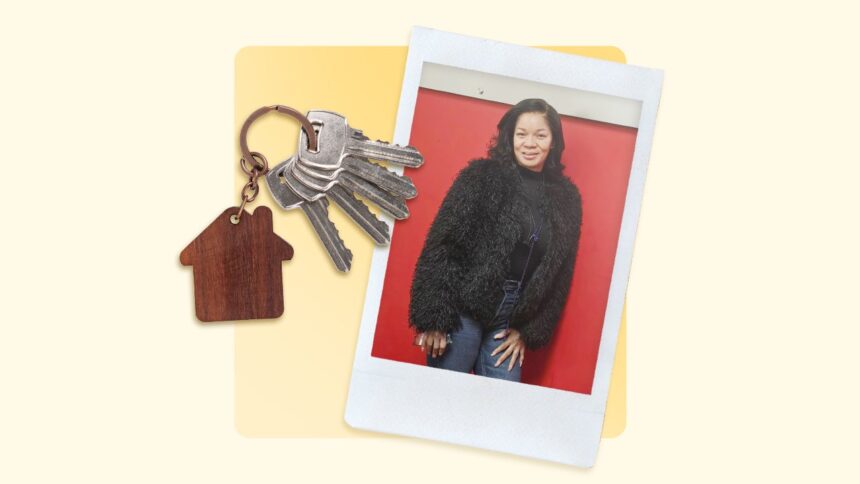
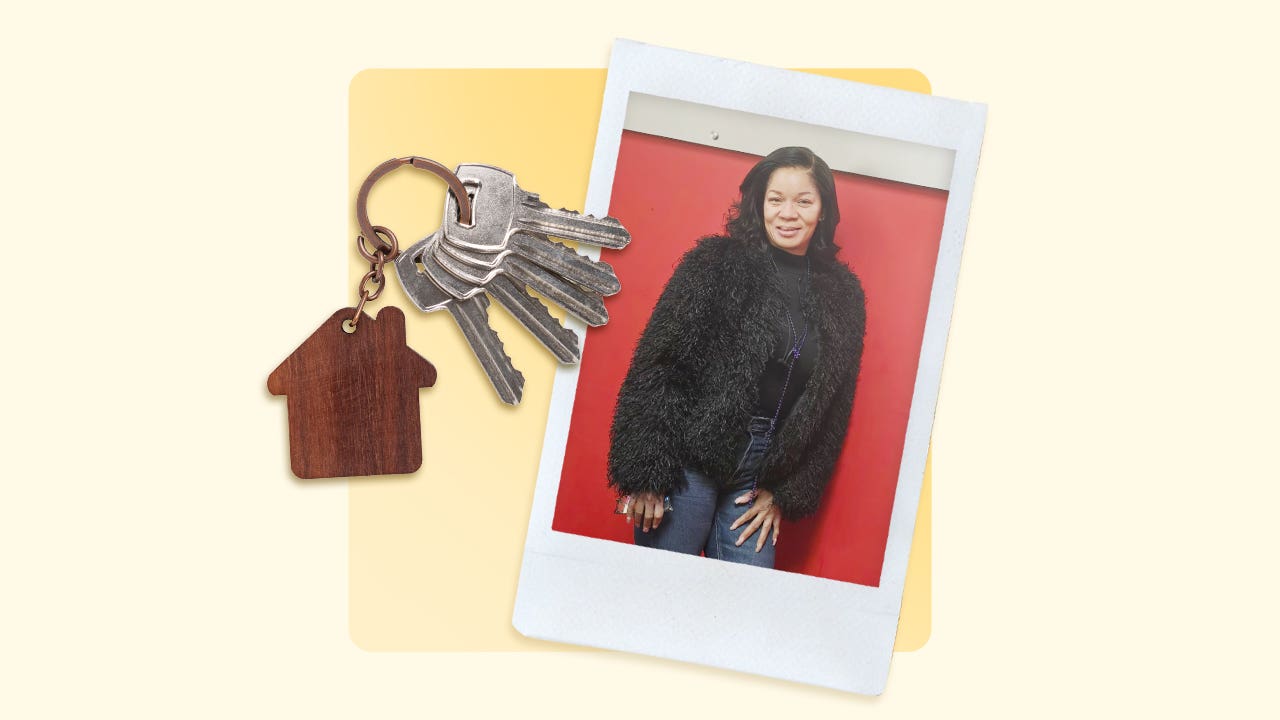
Illustration: Hunter Newton/Bankrate
Aisha Garnett is taking on the tough math of the housing market. Garnett, a housekeeper in Philadelphia, says she doesn’t make much money, but she uses what she has wisely. “I’m a saver,” she says. “[The salary]takes care of me and the things I need to do.” But there was one goal on the 52-year-old’s “to-do” list that she wasn’t sure she could accomplish all by herself. It was to buy a house.
Setting the stage for home buying
Buying a home is already difficult for people earning the median income. Bankrate’s research found that people on these incomes are effectively priced out of three out of four homes on the market. For low-income earners, the path to homeownership is even more difficult.
Philadelphia offers homes with higher median prices than other major cities, but rising prices continue to weigh on prospective buyers. Redfin reports that Philadelphia’s median home price in January 2026 was up 12.5% year over year. That nearly $30,000 increase means you’ll need to save for additional months or even years. For Garnett, that would have meant spending another year or two in Section 8 housing until her finances were in place to afford it.
When working on a limited income and rising housing prices, every dollar counts. Lowering mortgage rates can make homeownership more affordable in the long run. By comparing interest rates on online marketplaces like Bankrate, borrowers can find rates up to 1 percentage point lower than the national average, snowballing into thousands in savings over the life of their mortgage.
Online marketplaces offer one path to savings, but for Garnett, navigating homeownership required a more personal starting point.
Behind the scenes of her home buying experience
Garnett’s homeownership journey started with a friend, not a bank. A friend drove her to the Neighborhood Assistance Association of America office on Delaware Street and encouraged her to consider the program. She knew Garnet wanted a home and had heard good things about NACA, so letting Garnet through NACA’s doors was a life-changing decision.
The home buying process through NACA appears to be different from the traditional route. Unlike traditional bank loans that rely on a high credit score and a 20% down payment, NACA uses “character-based” lending to eliminate common barriers to entry. This program allows buyers to close with a $0 down payment, $0 closing costs, and completely waives the monthly private mortgage insurance (PMI) fees typically associated with low-equity loans. NACA partners with Bank of America to offer below-market interest rates to qualified borrowers.
Enrolling in NACA does provide benefits, but it is far from a stipend. In fact, this program is a rigorous and earned path to homeownership, requiring a level of financial discipline that most traditional mortgages do not require. Garnett says that in the first year after enrolling in NACA’s program, she didn’t buy anything but the bare necessities to help cover the costs of homeownership. “I cried many times a night,” she recalls, but for her the sacrifice was worth it. The process was grueling and the stress took a physical toll. Garnett said she lost nearly 20 pounds and several inches of hair during the purchasing process. “But now I have a house, so it’s okay,” she laughs.
After the loan was approved, Garnett got the keys to her Philadelphia townhome on February 13, 2026. While NACA helped Garnett reach her final day, there are also federal, state and nonprofit programs dedicated to helping people become homeowners.
her dream of homeownership
Garnet has not yet fully furnished her new home. For now, she only has the essentials: a bed, a refrigerator, and a television. But the lack of furniture does not bother her. She is happy to finally be able to go home.
This house isn’t just hers. Although Garnet lives alone, she knows that her children are the real beneficiaries of her hard work. She wants to leave them with more than just memories. She wants to leave them a legacy of financial security. “I teach them how to do things, how to be smart and responsible with how they spend their money,” she says. “You can get what you want, but you have to work hard to get it.”
This feeling cannot even be explained in words. It’s just pure joy.
— Aisha Garnett